
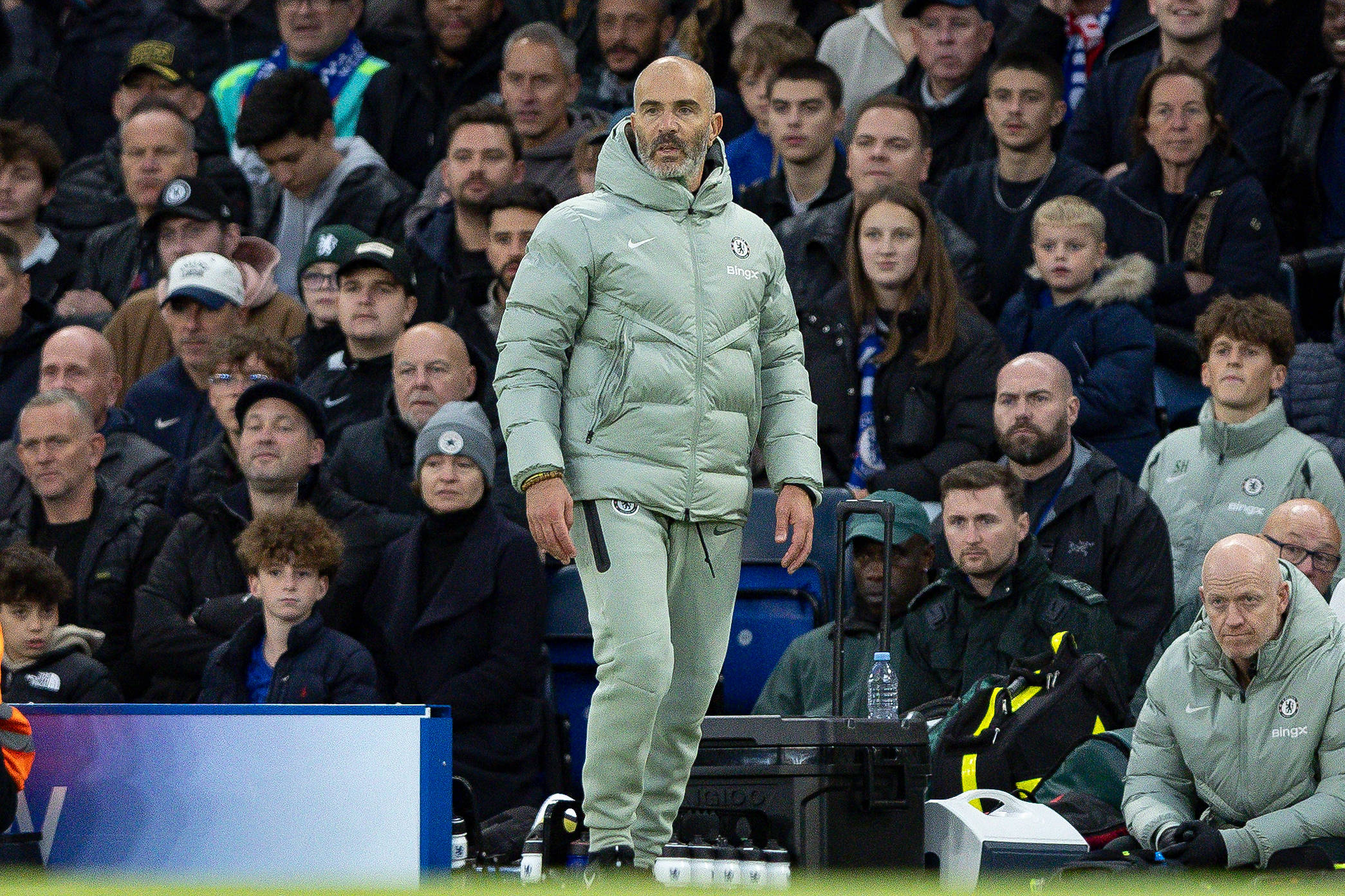
4th October 2025 Stamford Bridge, Chelsea, London, England: Premier League Football, Chelsea versus Liverpool Enzo Maresca manager of Chelsea PUBLICATIONxNOTxINxUK IanxStephen
Diogo Jota’s death remains one of the worst tragedies in Liverpool’s history. The Portuguese footballer had become a fan favourite immediately after he joined the Reds in 2020.
However, no one would have believed that five years later he wouldn’t be with us. Jota died in Spain on the 3rd of July 2025, the day he was meant to return to England.
The striker and his brother were driving a Lamborghini on the A-52 motorway in the northwest of Spain. They were near Cernadilla in the province of Zamora as the pair were headed to Santander.
Jota was supposed to get a ferry to the Isles because a recent lung surgery meant he couldn’t fly for a while. The 28-year-old has been reported to be driving.
It was late post midnight as the tyre blew out, which led to the driver, Jota, losing control. The car went off-road and immediately caught fire.
The Spanish authorities tried to save them but were unsuccessful in their attempt. This was a huge blow to Arne Slot and Liverpool, not just emotionally but tactically.
The Dutchman had to call in for replacements in the transfer market, and the transition has been painful. Chelsea manager Enzo Maresca recently commented on the incident, reminiscing about a similar situation he was in 2007.
Quiz: Can you name these 10 Liverpool players from the 2000s?
[freshpress-quiz id=”25465″]
Liverpool Jota’s death is affecting Liverpool, says Maresca
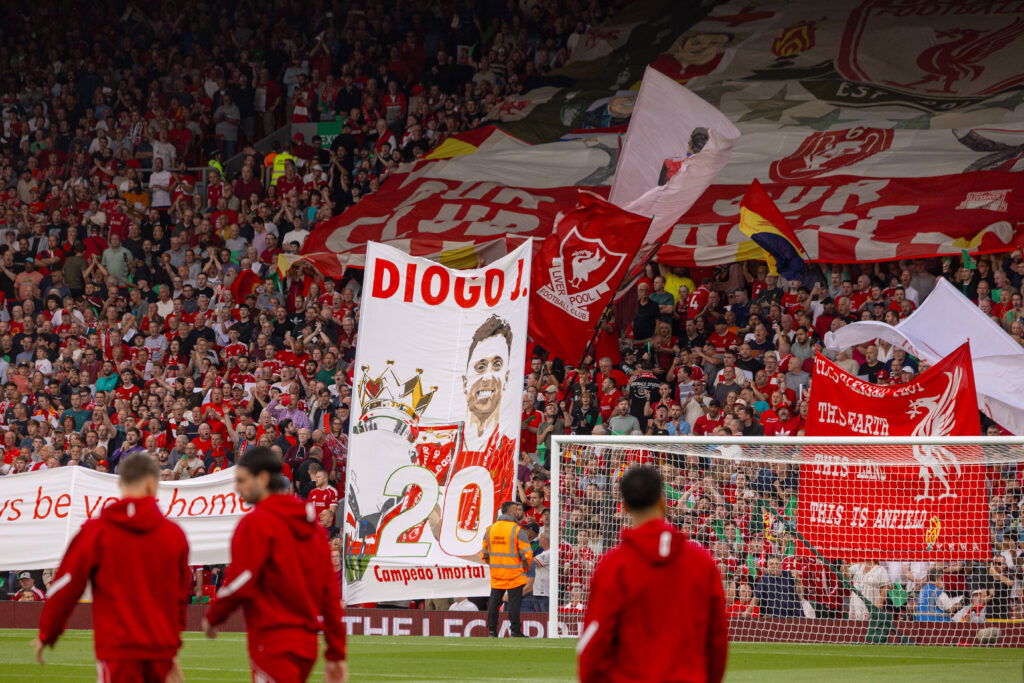
Three months have passed since that day, and now Enzo Maresca talked about how hard it is for the club, the players and the manager to actually go through such incidents.
“It’s difficult. It’s also difficult to explain because there is no solution. You just have to deal with it. You cannot be better again”, Maresca told the press.
The Italian coach had been through a similar incident as he was playing for Sevilla in 2007. His former teammate, Antonio Puerta, a Spanish winger, collapsed in a game against Getafe.
Reports later suggested that the Spaniard had suffered a series of cardiac arrests and was hospitalised. The Spanish international died three days later in the hospital as he had inherited arrhythmogenic cardiomyopathy.
“You arrive at the training ground. You can imagine the changing room is more or less like this room. You arrive and you see that the place is empty where every day there was your team-mate, it’s very sad. After 20 years, it’s the only thing I can say.”
About the Author
