
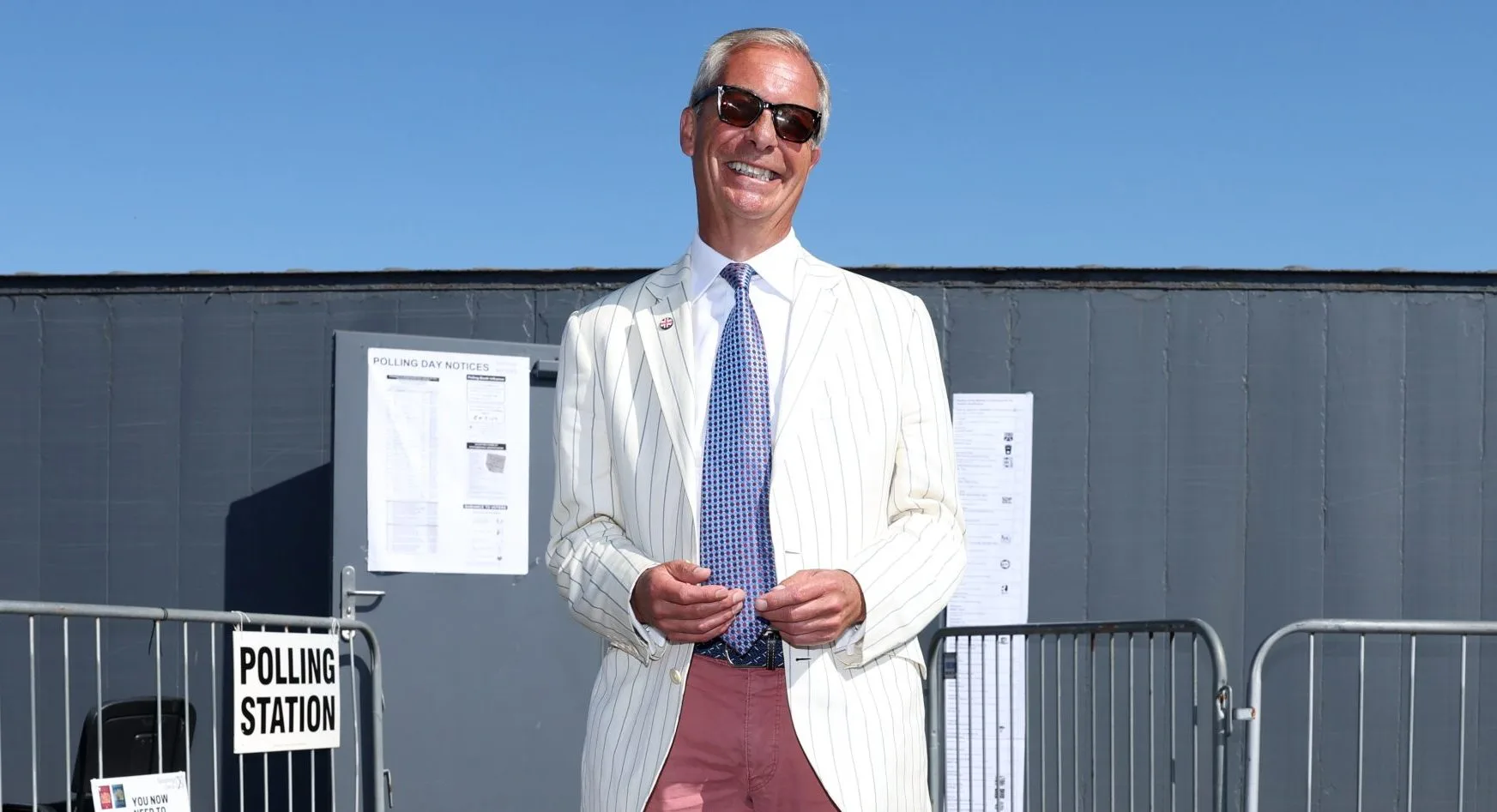
Nigel Farage, the Reform UK leader and Clacton MP, has long positioned himself as a disruptor in British politics — and his relationship with football has proven similarly divisive. While Farage has publicly claimed allegiance to Crystal Palace, his occasional forays into football culture have repeatedly sparked backlash from fans who see the sport being used as a political prop.
A Family Tradition at Selhurst Park
Farage’s connection to Crystal Palace dates back to childhood. Speaking to former Southampton star Matt Le Tissier on Gettr in 2022, Farage described being taken to watch Palace play as early as 1969 or 1970, recalling manager Malcolm Allison, known for his large fedoras, who had arrived from Manchester City. He also referenced striker Don Rogers joining from Swindon Town, and said the tradition ran through generations of his family, with his grandparents, father, uncles and now his own son — a Selhurst Park season ticket holder — all following the Eagles.
Despite that lineage, Farage has been candid that football isn’t really his sport of choice. A 2014 interview revealed he wasn’t especially keen on the game, professing a preference for rugby, though he maintained he remained a genuine Palace supporter regardless.
The Ipswich Town Controversy
Farage’s most talked-about football moment in 2026 had nothing to do with Palace. In March, he appeared at Ipswich Town’s Portman Road stadium, posing in the home dressing room with personalised shirts reading “FARAGE 10” and mock-signing a contract for the club, as Reform UK used the ground for a promotional event tied to local elections in Suffolk.
The stunt divided opinion sharply. Some fans online welcomed the visit, while others were furious the club’s name and image had seemingly been attached to Reform’s politics. One supporter told the club directly to stay away from “my football club,” while another accused Reform of turning the visit into a “political football.” Ipswich Town’s official supporters’ club later said it had gathered fan feedback and passed concerns on to the club “as a matter of urgency” to help preserve “mutual respect and understanding” between fans and management.
Notably, reports later clarified Farage had not actually been formally invited by Ipswich Town itself — the booking was arranged through a third-party events organiser, separate from the club’s own communications, which had not tweeted about the visit from its official account.
Sunderland and the Football Regulator
Following the Ipswich backlash, Farage said he’d been invited to attend a Sunderland match at the Stadium of Light, claiming the offer came from club director Juan Sartori. He used the moment to argue that more football clubs should be willing to engage with him on the government’s proposed Independent Football Regulator, a body designed to sit outside both government and existing football authorities. Farage argued the Premier League’s success meant state oversight was unnecessary, and suggested clubs had reason to want dialogue with him on the issue.
A Recurring Pattern
The Ipswich episode wasn’t an isolated case of football and politics colliding around Farage — commentators have repeatedly noted the tension between his party’s messaging and football fan culture, echoing broader debates about whether sport and politics should mix, a discussion that intensified following Marcus Rashford’s high-profile campaigning on child poverty in 2020 and 2021.
For now, Farage’s genuine club allegiance remains Crystal Palace — even if his most publicised football appearances in 2026 have taken place several counties away from Selhurst Park.
About the Author
