
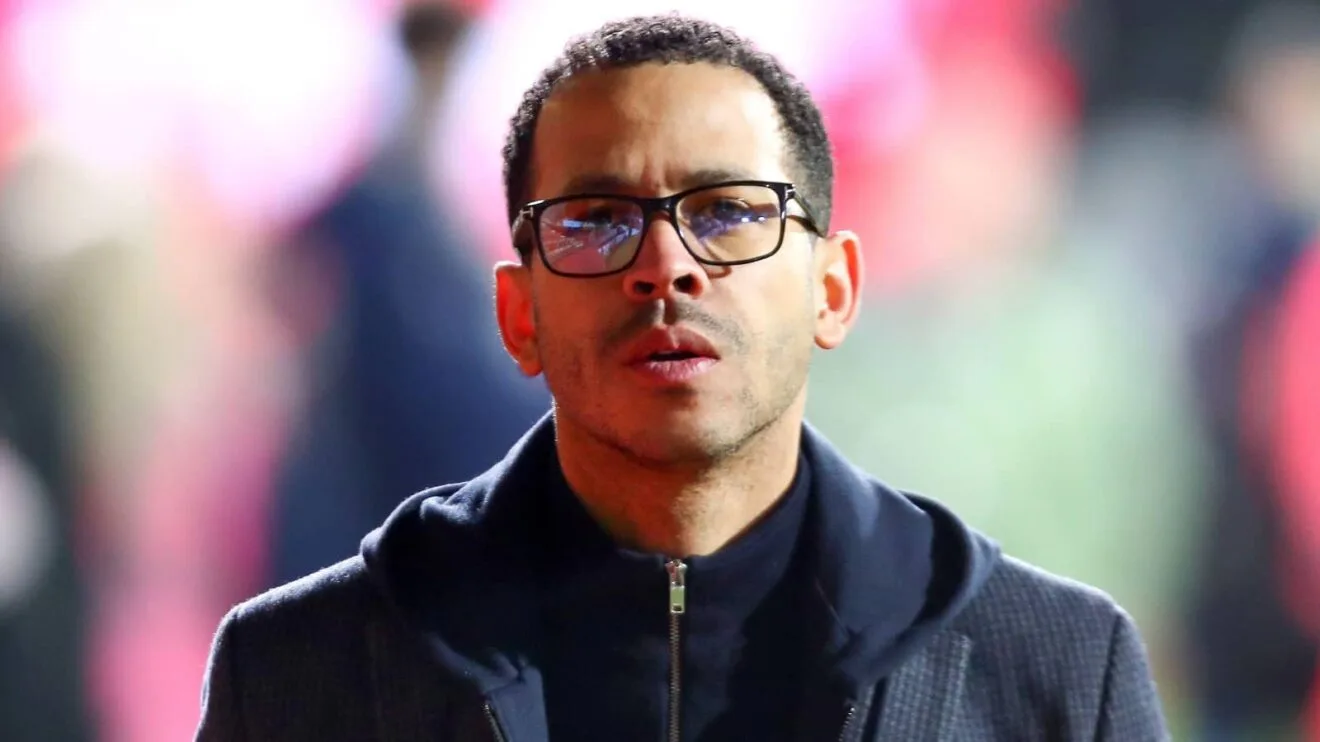
Liam Rosenior took charge of Chelsea in January with seven wins from his first nine games and genuine goodwill flowing from supporters and pundits alike. Two months later, his position looks significantly less secure. A 1-0 home defeat to Newcastle, followed by an 8-2 aggregate humiliation at the hands of PSG, has created the kind of momentum that tends to precede change at Stamford Bridge.
Reports began surfacing this week that “influential figures” within Chelsea’s hierarchy have doubts about whether Rosenior will be in charge beyond this season. Italian journalist Sacha Tavolieri reported to Sky Sports Switzerland that serious concerns are “emerging internally,” while separate sources suggest at least one senior stakeholder based in the United States is considering Luis Enrique, PSG’s current manager, as a potential replacement. The irony of targeting the man who just dismantled you 8-2 is not lost on observers.
The 41-year-old arrived as a well-regarded coaching talent after excellent work at BlueCo-affiliated Strasbourg, but managing an eight-figure squad at Stamford Bridge is a categorically different challenge to leading a mid-table Ligue 1 club. The scrutiny is relentless, the dressing room is complex and the ownership’s tolerance for failure is well documented across five managerial changes since the Boehly-Clearlake consortium took over in 2022.
What makes Rosenior’s situation particularly difficult is that his tactical decisions in both legs against PSG have drawn criticism even from supporters who were broadly willing to back him. His choice to substitute Cole Palmer and João Pedro before the hour mark in the second leg at Stamford Bridge, with the score still moveable at 2-0 on the night, drew visible incredulity from the stands. Former player Wayne Bridge publicly stated he was “shocked” by the substitutions.
After the first leg, when Chelsea collapsed in the final 15 minutes to turn a competitive game into a 5-2 defeat, Rosenior acknowledged his responsibility directly. “The last 15 or 20 minutes were crazy in many ways,” he said. “It’s my fault — I have to improve in those moments.” That kind of candour earns respect, but it does not necessarily translate into job security at a club accustomed to results rather than honest reflection.
The cold calculation Chelsea now face is whether Rosenior can deliver a top-five Premier League finish and potentially the FA Cup across the remaining months. Those are the only remaining routes to salvaging the season. The league campaign has become a race against fellow also-rans rather than a challenge to the summit, which speaks to how far Chelsea have slipped from their early-season positioning.
Perhaps the most telling detail is that Rosenior was himself brought in as a stabilising figure after the departure of Enzo Maresca, only for instability to resume within weeks. The problem, as various insiders have pointed out, is not purely managerial. It runs through the entire decision-making structure at the club, and that is something a fourth manager since 2022 is unlikely to fix on his own.
About the Author
