
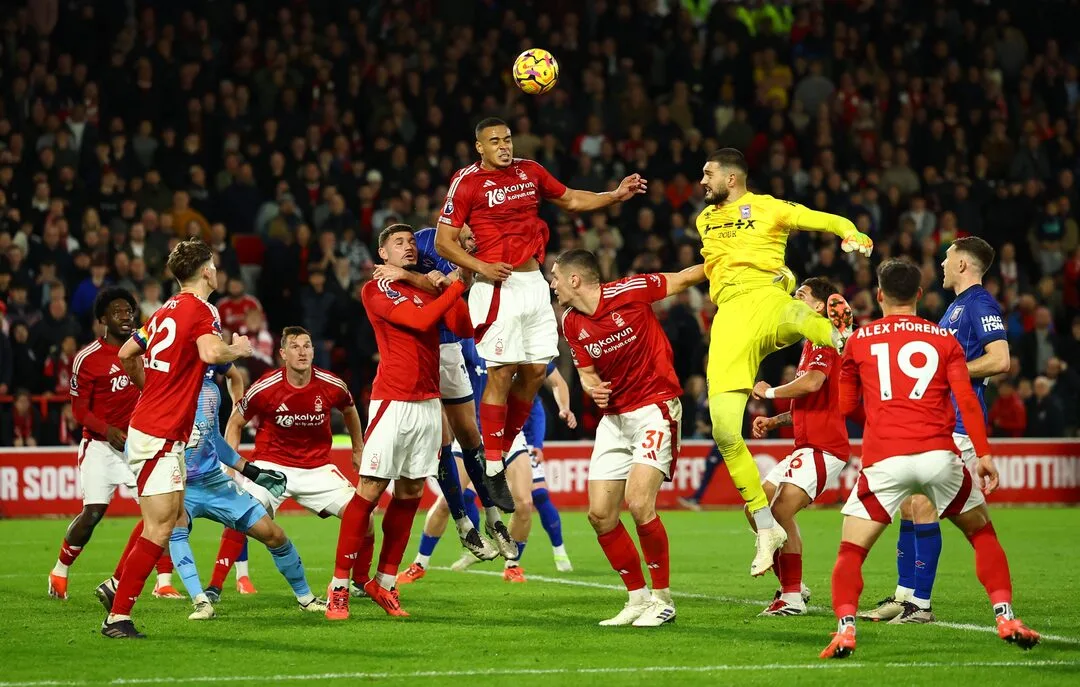
The Nottingham Forest vs Ipswich Town fixture has a rich history stretching back decades, marked by periods of intense competition, notable statistics, and significant league standings.
While both clubs have experienced fluctuating fortunes across English football’s divisions, their encounters have often carried high stakes and memorable moments that reflect the evolving nature of the sport.
Early Timeline And Foundations
Nottingham Forest, founded in 1865, and Ipswich Town, established in 1878, first faced each other competitively in the Football League during the mid-20th century.
The early matches were predominantly in the Second Division, with both clubs striving to assert themselves in the league hierarchy.
These encounters were characterized by traditional British football styles, featuring strong physical play and emphasis on set-pieces.
- Fixtures were often low-scoring, defensive contests
- Both teams relied heavily on locally developed talent
- League positions determined the intensity of each match
Early statistics indicate balanced outcomes, with neither side establishing sustained dominance over the other.
Forest’s Glory Years And Ipswich’s Rise
The late 1960s and 1970s marked a period of transformation for both clubs.
Nottingham Forest, under the management of Brian Clough from 1975, would soon enter its most successful era, culminating in domestic league titles and European Cups.
Ipswich Town, managed by Bobby Robson, also experienced a golden era, winning the league in 1962 and achieving strong cup performances in the 1970s.
During this period, head-to-head fixtures were competitive, though Forest’s tactical discipline and European experience gradually gave them an edge.
- Forest emphasized disciplined defence and structured attacks
- Ipswich relied on technical midfield play and fluid forward movements
- Matches were crucial for league positioning and cup ambitions
Statistics from the 1970s show:
- Forest held a slightly superior head-to-head record
- Average goals per game ranged between 2 and 3
- Key players included Martin O’Neill for Forest and Trevor Whymark for Ipswich
1980s To 1990s: League Challenges And Shifts
In the 1980s, both clubs faced challenges in maintaining top-flight consistency.
Nottingham Forest continued to compete in the First Division but gradually experienced fluctuations in performance, while Ipswich struggled with relegations and promotions between divisions.
Matches during this period were often influenced by the clubs’ current standings, with promotion and relegation battles adding tension to fixtures.
- West Midlands physical style influenced Forest matches
- Ipswich prioritized disciplined midfield play and counter-attacks
- Head-to-head results became more variable depending on division
Lineups included a mix of experienced internationals and emerging domestic talents, reflecting both clubs’ strategies to navigate competitive seasons.
Key statistics of this period:
- Matches were tightly contested, with narrow scorelines common
- Home advantage often influenced results significantly
- Forest maintained a modest lead in head-to-head wins
Premier League Era And Modern Encounters
Nottingham Forest’s promotion to the Premier League in the 2022–23 season marked renewed top-flight interest, while Ipswich Town remained in lower divisions, meaning head-to-head Premier League clashes are rare in the modern era.
Nevertheless, historical data remains relevant for statistical comparison and fan interest, especially in cup competitions.
Recent lineups reflect global recruitment trends, with international players featuring alongside domestic talent.
- Tactical formations have evolved to include 4-2-3-1 and 3-5-2 systems
- Modern fixtures emphasize pressing, ball retention, and quick transitions
- Match results often hinge on set-piece efficiency and finishing accuracy
Head-To-Head Statistics
Across all competitions, Nottingham Forest hold a slight overall advantage in head-to-head meetings against Ipswich Town.
Forest’s consistency during their golden eras, particularly under Brian Clough, contributed significantly to this edge.
Ipswich’s victories are often linked to strong home performances at Portman Road and tactical execution under managers like Bobby Robson.
- Total competitive fixtures exceed 80 matches
- Forest lead in overall wins, particularly in league contests
- Goal margins are modest, reflecting closely fought encounters
Standings And Impact On League Tables
The fixtures between Forest and Ipswich have occasionally influenced league standings, particularly during seasons where either club competed for promotion, survival, or top-half positioning.
Forest’s success in the late 1970s and early 1980s allowed them to compete for European football, with Ipswich challenging intermittently in domestic cups and league campaigns.
Key trends include:
- Forest’s league position often correlates with their dominance in head-to-head matches
- Ipswich has historically performed better at home, affecting points accumulation
- The fixture has contributed to crucial promotion or relegation outcomes in lower divisions
Memorable Matches And Highlights
Several encounters stand out in the rivalry’s history.
High-scoring games in the 1970s, dramatic late goals, and decisive cup ties have all left a lasting mark on fans.
These moments often showcase tactical discipline, standout individual performances, and the unpredictable nature of football.
- Key games often decided by single-goal margins
- Defensive resilience and counter-attacking play pivotal for Ipswich
- Forest occasionally dominated with structured attacking strategies
Fan Engagement And Legacy
Supporters of both clubs view this fixture with historical respect rather than contemporary rivalry intensity.
Forest fans remember their club’s golden era achievements, while Ipswich fans cherish victories against a formidable opponent, particularly at home.
The matchup remains significant in cup competitions and historical analysis of English football over the decades.
- Fans celebrate memorable victories and standout player performances
- Historical context adds intrigue despite fewer modern clashes
- Both clubs emphasize legacy and tradition in fan culture
The Nottingham Forest vs Ipswich Town fixtures reflect decades of English football history, combining tactical evolution, statistical insight, and memorable performances that continue to resonate with supporters and analysts alike.
About the Author
