
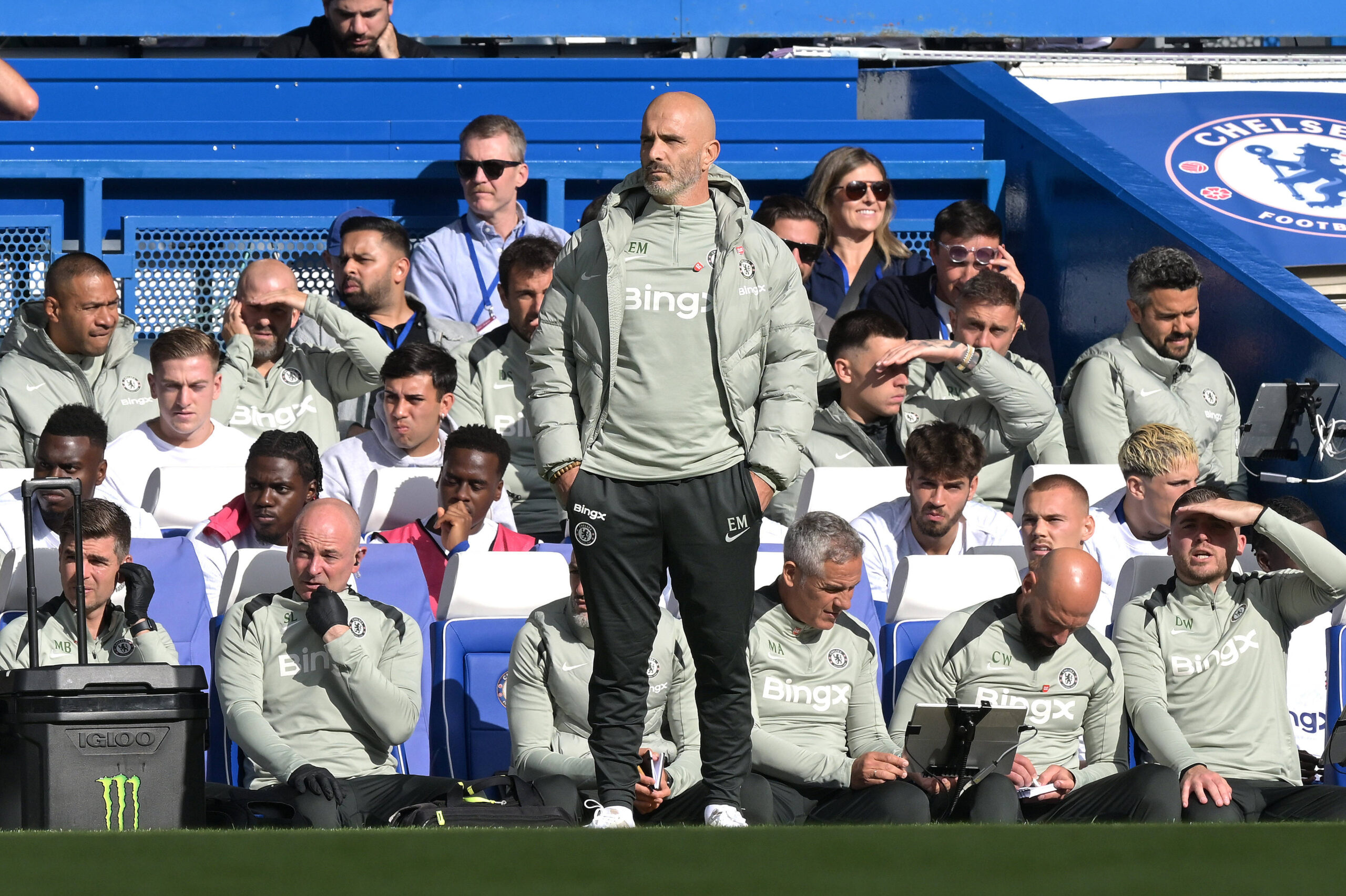
Chelsea vs Brighton Premier League Enzo Maresca Manager of Chelsea during the Chelsea vs Brighton & Hove Albion Premier League match at Stamford Bridge London. London Stamford Bridge UK Copyright: xMartinxDaltonx Chelsea_vs_Brighton_270925_MD_042
Hearts are enduring a brutal summer as Derek McInnes prepares to follow Lawrence Shankland out the door and across to Rangers.
The Gorgie club came within three minutes of a title win last season, only to now watch their captain and manager depart to a direct rival.
Shankland signed for Rangers on a free, and Hearts were powerless to prevent it once a break clause was triggered in his contract.
The McInnes situation is more complicated, and the fact that Hearts did not fight hard to keep him is telling.
McInnes was appointed before Tony Bloom invested £10million into the club last August, meaning he was never originally Bloom’s pick.
Bloom’s data-driven operation, Jamestown Analytics, powered Hearts’ recruitment, but McInnes was not always enthusiastic about playing the players the data recommended.
Christian Borchgrevink, Jordi Altena and Rogers Mato are cited as prime examples of that tension between the manager and the analytical model.
With Jamestown now firmly in control of recruitment decisions, Hearts back themselves to replace anyone who leaves, regardless of profile or reputation.
The search for a new manager will not follow the conventional pattern of recycling familiar Scottish football names, though domestic candidates are far from ruled out.
John McGlynn has done remarkable work at Falkirk and has deep ties to Hearts, while Stephen Pressley’s name will inevitably surface given his history with the club.
However, a stronger guide to Hearts’ likely approach may come from studying how Brighton and Union Saint-Gilloise, the other two clubs in Bloom’s portfolio, have handled similar moments.
Brighton, the club Bloom bought in 2009, did not immediately pursue obscure or revolutionary appointments, instead working through recognisable names before gradually expanding their ambitions.
Gus Poyet transformed Brighton, leading them to the League One title and establishing them as a Championship playoff force before his dismissal for gross misconduct.
Chris Hughton then delivered stability and success, taking Brighton up as champions and keeping them in the Premier League before his sacking in 2019.
Only once the club was firmly established did Brighton make their most ambitious moves, hiring Graham Potter from Swansea City after his extraordinary work with Ostersund in Sweden.
Potter delivered a record Premier League points total and a highest-ever ninth-place finish before Chelsea came calling, and his subsequent failure at Stamford Bridge underlined that Jamestown’s systems do not travel with the individual.
Brighton simply upgraded, bringing in Roberto Di Zerbi, who delivered a top-seven finish and European football for the first time in the club’s history.
Di Zerbi’s eventual departure led to Fabian Hurzeler, the former St Pauli boss who became the youngest manager in Premier League history and on whose appointment many assumptions about Hearts’ next hire are based.
Yet that appointment came only after years of Brighton choosing more established, tested options first, which is a critical detail when projecting what Hearts might do now.
Union Saint-Gilloise tell a similar story under Bloom, favouring continuity and internal progression over external glamour appointments.
Felice Mazzu took USG back to the top flight for the first time since 1973, and when he left for Anderlecht, his assistant Karel Geraerts was handed his first senior job.
Sebastien Pocognoli followed from the USG under-21 setup and guided the club to their first top-flight title in 90 years before Monaco came calling last October.
David Huber, a former Anderlecht boss, was then appointed and kept USG in title contention, finishing four points behind Club Brugge.
Continuity and a preference for coaches with relevant cultural or footballing context has been the consistent thread across both Brighton and USG under Bloom’s ownership.
That pattern strongly suggests Hearts could look domestically again this summer, and writing off a Scottish appointment based on Jamestown’s perceived preference for the unconventional may be premature.
About the Author
